Kitchen & Bathroom Remodeling in Danbury, CT: What to Look for in a Local Carpenter
In Danbury, where a large share of homes were built between the 1940s and 1970s, hiring the wrong carpenter for a kitchen or bathroom remodel doesn't just mean poor aesthetics — it means unlevel cabinets, moisture damage behind vanities, and trim that splits within a year. Knowing what quality carpentry looks like before you sign anything gives you a real filter, not just a checklist of obvious advice.
What Does a Carpenter Actually Do in a Kitchen or Bathroom Remodel?
A carpenter handles the physical installation and finish work — cabinets, vanities, trim, and built-ins — while a general contractor manages the broader project and coordinates plumbing, electrical, and other trades. Some projects need both; smaller scoped jobs often need only a skilled carpenter who understands how to work alongside other trades.
In a kitchen, carpentry scope typically includes cabinet installation (leveled, plumbed, and scribed to the wall), crown molding at the ceiling line, toe kick finishing, casing around windows, and custom built-ins like pantry cabinetry or an island with a face frame. In a bathroom, it covers vanity installation, medicine cabinet framing, trim around tub surrounds, baseboard-to-tile transitions, and recessed storage niches built between studs.
Understanding this scope helps you ask sharper questions and spot a quote that's missing something important. For a full picture of what this work involves, explore kitchen and bathroom remodeling services to see how these scopes are structured.
How Do Older Danbury Homes Change the Scope?
Older homes mean out-of-plumb walls, unlevel floors, and non-standard cabinet heights — all of which add time and skill requirements that a low-bid out-of-area contractor often won't price for up front.
When a floor slopes even a quarter inch over a short run, a vanity must be shimmed and scribed carefully so it sits level without visible gaps at the wall. A carpenter who's worked in Danbury's older neighborhoods understands this as standard — not a surprise. They'll also know how to match existing trim profiles like ogee or colonial casing, which matters when you're remodeling one room without replacing all the millwork in the house.
Older homes may also involve lead paint on trim being removed. A qualified carpenter will flag this and handle it according to safe work practices, which affects both scheduling and cost. When a contractor doesn't walk the space before quoting, they're almost certainly not accounting for these conditions.
Spotting Quality: Green Flags and Red Flags
A qualified carpenter volunteers specific information — they bring up moisture-resistant materials before you ask, they explain what happens at inside corners (coped joints last longer than mitered ones in trim), and they describe how they handle gaps between cabinets and walls using scribed filler strips rather than caulk.
Green flags include CT Home Improvement Contractor (HIC) registration — required for residential work over $200 in Connecticut and verifiable at ct.gov/dcp — a portfolio with before-and-after photos of cabinet and trim work specifically, and a written itemized scope that separates labor from materials. A carpenter who asks about your wall plumb and floor level before quoting is doing the job right.
Red flags include a bid with no line-item breakdown, a contractor who can't name the materials they use in wet areas (MDF is the wrong choice in bathrooms — solid wood, PVC trim, or moisture-resistant plywood are correct), and anyone who says you won't need a permit for significant structural or plumbing-adjacent work. That answer signals either inexperience or an intent to skip inspections that protect you.
Danbury Permit Norms and Seasonal Timing
In Danbury, kitchen remodels involving electrical, plumbing, or wall removal require permits under the Connecticut State Building Code. Bathroom remodels almost always require permits when plumbing is relocated or new fixtures are added. A carpenter who understands permit sequencing knows not to close walls before rough inspections pass — skipping that step can mean tearing out finished work later.
Homeowners can pull their own permits through the Danbury Building Department, but a licensed contractor pulling permits provides a layer of liability protection. Ask any candidate directly: 'Do you coordinate with the permit office, or do I handle that?' The answer tells you a lot about their experience level with local building department processes.
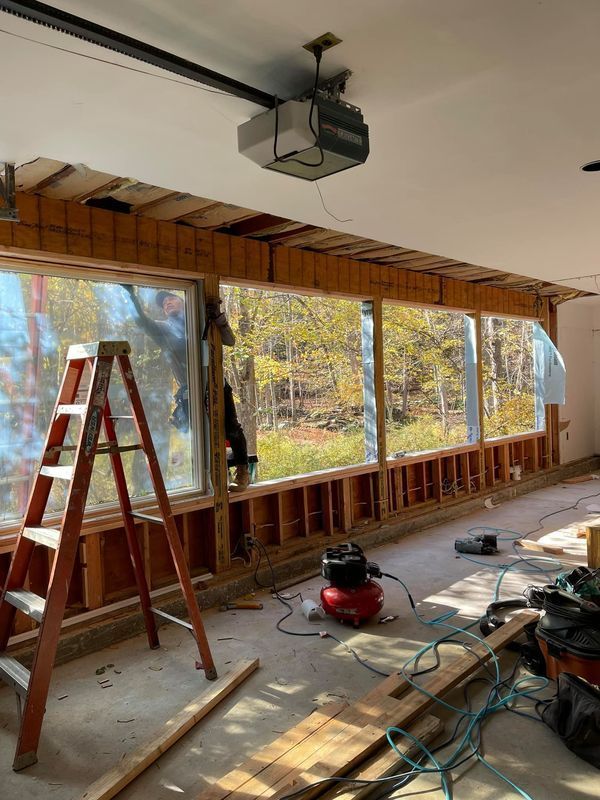
Timing matters too. Connecticut winters affect material acclimation and drying times, and the spring-to-fall window is when local carpenters are busiest. Getting on a qualified carpenter's schedule in late winter often means better availability and more attention to your project than rushing into a peak-season booking. Learn more about how framing and demolition work connects to permit sequencing on larger remodel scopes.
Questions to Ask Before You Sign
Ask for the CT HIC registration number and verify it. Ask what materials they use for trim and substrate in bathrooms specifically — the answer screens for moisture knowledge. Ask how they handle walls or floors that are out of level, which tests real field experience with older homes. Ask who pulls permits and how they sequence work with other trades.
Also ask to see photos of completed cabinet and trim work in kitchens and bathrooms — not just finished room shots, but close-up detail of crown molding corners, toe kick transitions, and vanity scribing. A carpenter confident in their finish work will have these readily available.
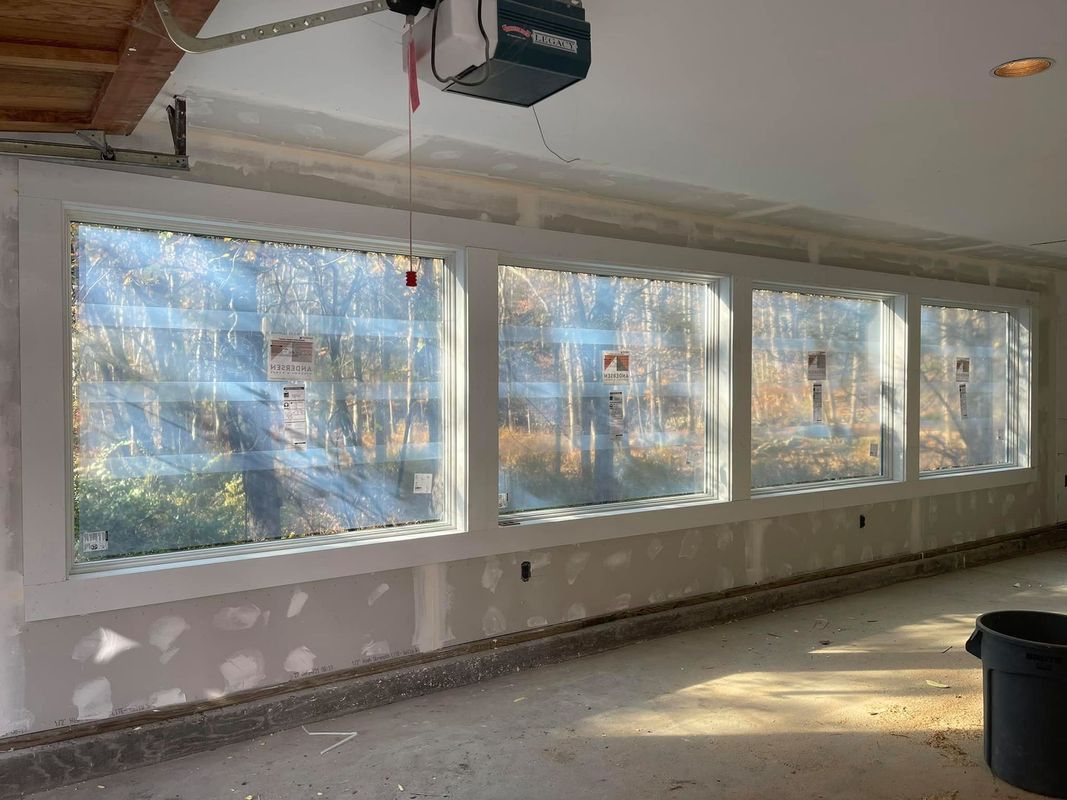
A finished kitchen should show cabinets with consistent door and drawer reveal, crown molding with no visible joints at corners, and filler strips that match the cabinetry without caulk bridging gaps. A finished bathroom should show a vanity that doesn't rock, trim around the tub surround with a clean caulk joint at the tile line, and baseboard that terminates cleanly at tile — no exposed end grain, no foam filler hiding poor scribing.
When carpentry is executed at this level, the room stays functional and attractive through years of daily use in wet, high-traffic conditions — that's the observable outcome of getting the material choices and installation precision right.
Knowing what good looks like before you hire puts you in a much stronger position to evaluate quotes and ask the questions that separate qualified local carpenters from lower-bid alternatives that cut corners on finish quality.
Schedule your kitchen or bathroom remodel consultation with Morataya Carpentry LLC to get an itemized scope from a carpenter who understands Danbury's homes and Connecticut's permit requirements.