Clear the Ground After Tree Removal
Stump Grinding & Removal in Ridgefield for Yards Ready to Plant or Build
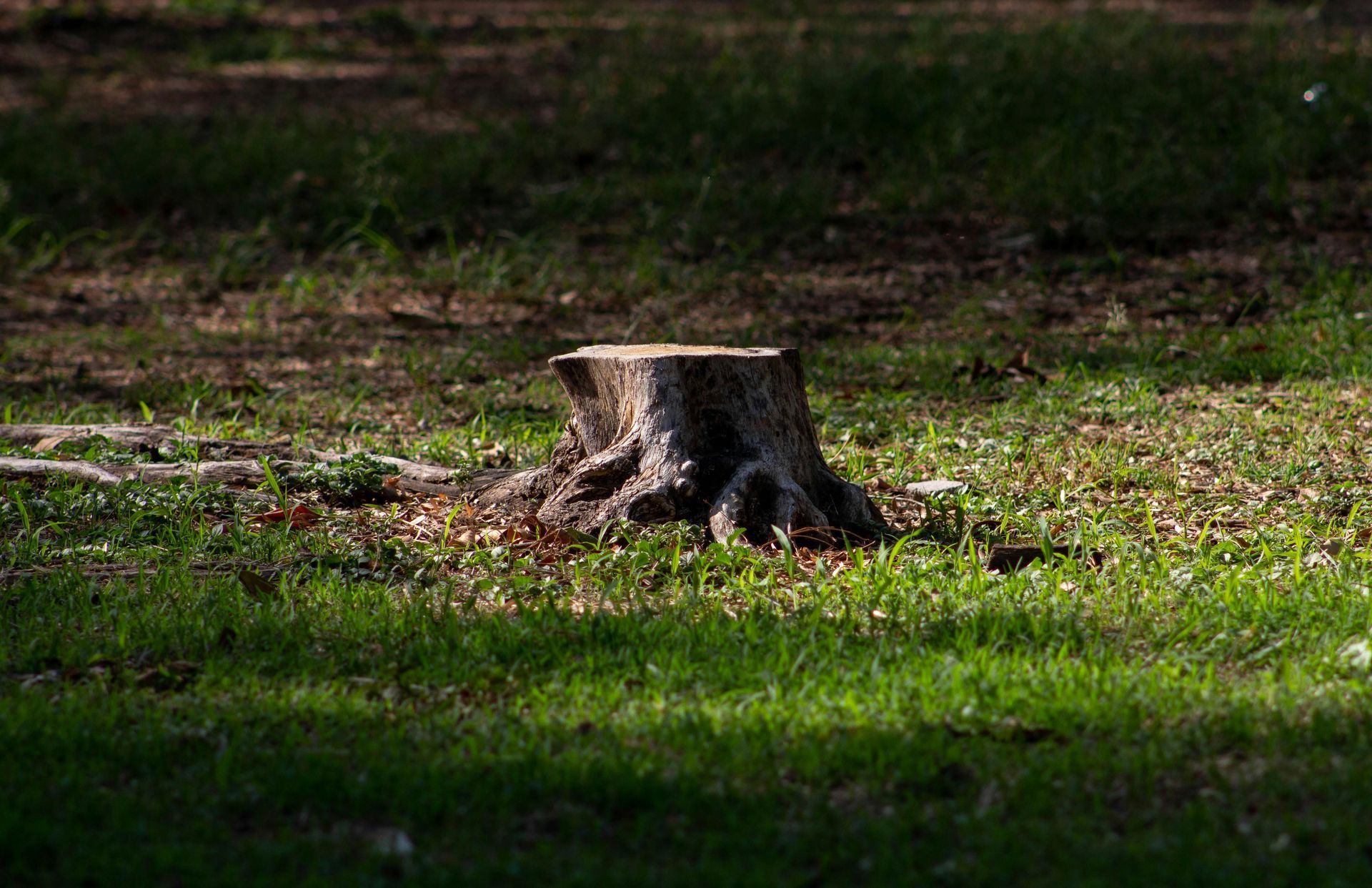
Morataya Carpentry LLC provides stump grinding and removal for homeowners in Ridgefield, Connecticut who need to prepare their yard for new landscaping, hardscaping, or construction projects. After a tree comes down, the stump remains anchored in the soil, holding space and blocking access to areas you want to use or develop.
Stump grinding uses a rotating carbide-toothed wheel to reduce the stump and major surface roots to wood chips below grade level. This process removes the visible obstruction and frees the ground for planting grass, laying pavers, or building structures. The remaining wood chips can be used as mulch or hauled away depending on your next steps.
If you have a stump blocking a planned landscape bed, driveway extension, or outdoor living space in Ridgefield, reach out to discuss grinding and site preparation.
How Grinding Clears the Way for Site Use
The grinding process starts by lowering the cutting wheel onto the stump surface and working downward in controlled passes until the wood is reduced six to twelve inches below the surrounding grade. Roots extending from the trunk are ground back to the perimeter of the stump footprint, leaving no major obstacles at the surface. You'll see wood chips piled where the stump once sat, with a recessed area that can be backfilled with topsoil.
After grinding, the area settles into the surrounding yard without raised edges or protruding roots. You can walk, mow, or plant directly over the location without interference from the old stump. The site is ready for sod, seed, gravel, or structural foundations depending on what the project requires.
Grinding does not remove roots that extend deep into the subsoil, but these decompose naturally over time without interfering with typical surface use. If you plan to install a concrete slab or footer, discuss the depth and scope of excavation needed beyond standard grinding.
Common Questions About Stump Grinding and Site Prep
Homeowners preparing yards for new projects often ask about how grinding works, what it leaves behind, and how quickly the area can be used afterward.
If you're planning new landscaping, hardscaping, or construction and need stumps cleared from your Ridgefield property, contact Morataya Carpentry LLC to schedule grinding and site preparation tailored to your project timeline.